The 60-second version
July and August are Wasaga Beach’s peak tourist season: the population of the town swells from its winter ~20,000 residents to estimated weekend totals of 80,000+ visitors. For local residents and serious fitness-focused visitors, peak season is when the early-morning workout window stops being optional — it becomes the only realistic window for high-quality outdoor sessions before crowds and heat make the boardwalk, beach, and trails unworkable for serious training. The protocol that works: 5–9 AM workouts on the beachfront and trails, midday recovery and indoor activity, evening sessions after 7 PM as the second window. Heat-stroke risk peaks: a 30+°C day with full sun and 70%+ humidity is genuinely dangerous, and the published heat-stress data suggests adults over 60 and children under 10 should avoid mid-day outdoor exertion entirely. The compensating opportunity: peak season is when the lake is warmest and most enjoyable, the events calendar is fullest, and visitor energy makes group fitness activities easier to find. The trade-off is volume vs. crowds.
Educational journalism, not medical advice. Every claim here is checked against its cited sources by editor Timothy Bunce — a health writer, not a physician. It isn’t specific to your situation: for health decisions, talk to your own clinician. How we work →
Some links in this article are affiliate links. If you buy through one, The Beachside Reader earns a commission at no extra cost to you. It never changes which products we pick, or what we say about them. Full affiliate disclosure →
July-August weather: peak summer
The two peak-summer months in Wasaga have similar profiles, with July typically slightly cooler and August occasionally hotter:
- Average daily high: 25–28°C through July; 26–29°C through August. Heat waves above 30°C are common; 32–35°C peaks happen 5–15 days per year Environment Canada.
- Average daily low: 14–17°C. Below-10°C nights are rare.
- Sun: peak. UV exposure is at its annual maximum.
- Humidity: typically 60–75% in afternoon. Humidex readings can push the perceived heat 5–10°C above ambient temperature.
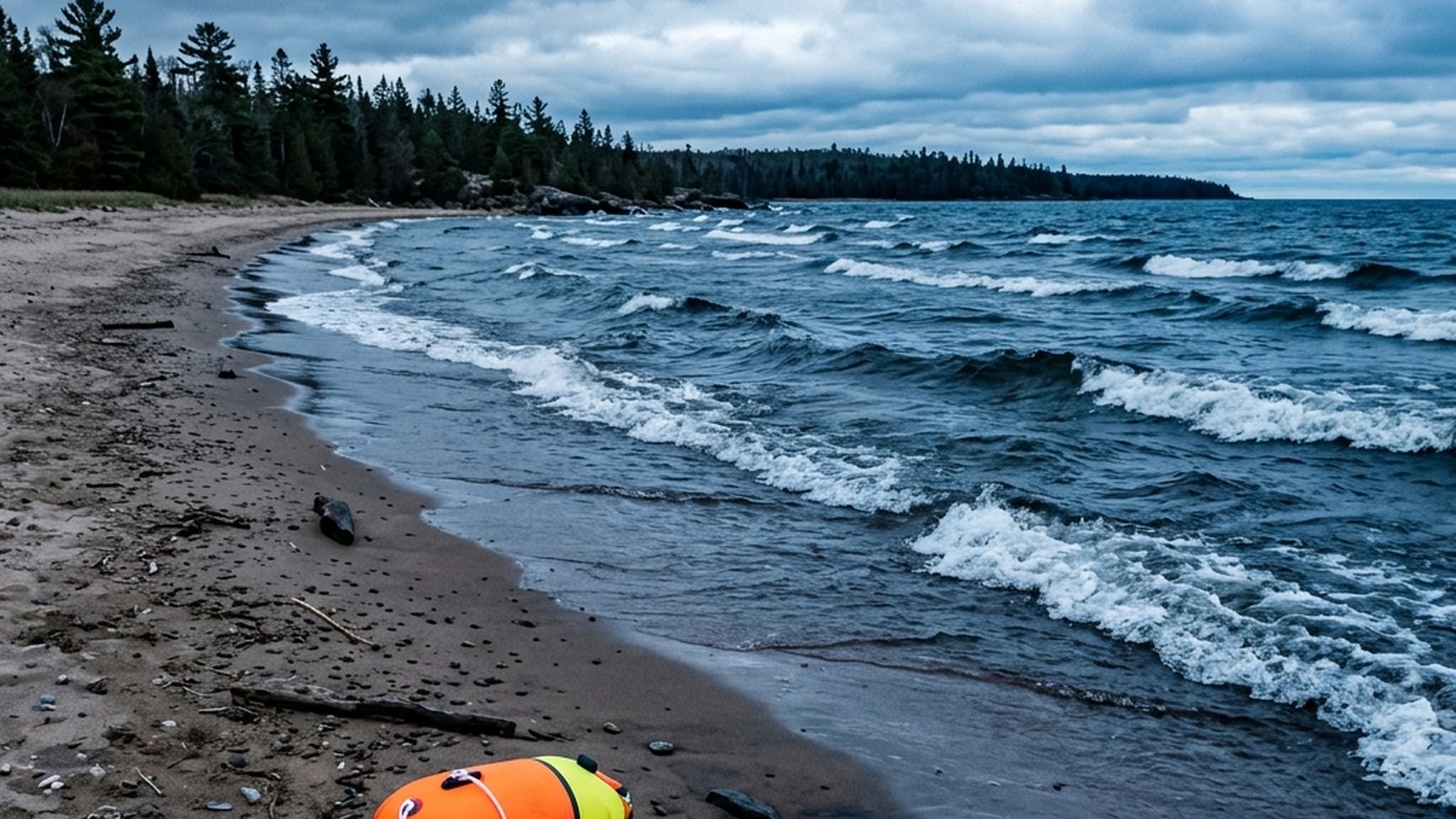
- Wind: typical lake-breeze pattern. Strong onshore wind days produce surf; offshore wind days produce calm water that masks the heat-stress on swimmers.
- Rain: 60–90 mm per month, often concentrated in thunderstorms. Multi-day rain is rare; afternoon thunderstorms are typical.
- Lake water temperature: 22–25°C through July; 23–26°C through August. Comfortable for full-day swimming and water sports.
The practical implication: the climate is highly favourable for water-based activity and beach use, but the heat-and-sun load on outdoor exertion (running, hiking, cycling) is substantial. Time-of-day discipline becomes the dominant scheduling variable.
The crowd reality
Wasaga Beach’s peak-season tourist numbers are estimates rather than precisely measured, but the magnitudes are well-known:
- Weekday population in mid-July through mid-August: roughly 30,000–40,000 (locals plus weekday visitors).
- Weekend population: weekend visitor inflows from the Greater Toronto Area produce estimated weekend totals of 60,000–100,000 in peak weeks.
- Beach Drive parking: typically full by 11 AM on weekend days; some overflow lots fill by 12 PM.
- Beach Area 1: heavily crowded 11 AM–5 PM during peak weeks.
- Boardwalk: walking-only pace through midday and afternoon weekend hours.
- Restaurant and food vendor wait times: 30–60 minutes at popular venues during peak hours.
- Trail traffic: forested trails (Tiny Marsh, Schoonertown wetland, Wasaga Provincial Park interior) remain comparatively quiet.
- Georgian Trail: busy near Wasaga and Collingwood ends, quieter in the middle sections.
For local fitness-focused residents, the calculus is straightforward: weekend midday activity on the beachfront and main trails is logistically painful. Early morning, late evening, and trail-system activity (rather than boardwalk activity) are the time-and-place choices that preserve serious training.
The early-morning protocol
For peak-season fitness, the 5–9 AM window is not optional — it’s the only realistic window for many activities:
- 5:00–6:30 AM: pre-sunrise. Boardwalk is empty, air is at its daily-low temperature, light is sufficient for activity by 5:30. Best for runs, walks, and cycling.
- 6:30–8:00 AM: post-sunrise, before serious heat. Optimal session window for almost any activity. Some local fitness groups meet at this time.
- 8:00–9:00 AM: still pleasant but heat is building; tourist arrival begins. Wrap up serious sessions by 9 AM in peak heat weeks.
- 9:00–11:00 AM: marginal for outdoor exertion. Early swimming is fine; running and intense activity become uncomfortable.
- 11:00 AM–3:00 PM: avoid serious outdoor exertion. Beach time and swimming are appropriate; running and intense activity carry heat-stress risk.
- 3:00–6:00 PM: still hot but beginning to cool. Sun is intense.
- 6:00–9:00 PM: second outdoor activity window. Cooling temperatures, sun angle declining, often a refreshing lake breeze. Good for moderate-intensity activity.
- 9:00 PM onward: sunset around 8:30–9 PM in peak summer; outdoor activity in remaining light is pleasant but limited.
The discipline of waking early for the workout is what most local serious athletes adopt. It’s a sleep-schedule reorganisation that takes 2–3 weeks to feel normal but pays off in better workout quality and the experience of an empty Wasaga beachfront in the dawn.
Heat stress: the medical reality
Peak-summer heat in Wasaga is genuinely dangerous for outdoor exertion, particularly during heat waves. The published heat-stress evidence (multiple military and sports medicine sources) is consistent:
- Below 27°C with normal humidity: outdoor exercise is largely unrestricted for healthy adults with appropriate hydration and sun management.
- 27–30°C: fitness-focused outdoor activity is reasonable with hydration, sun protection, and reduced intensity. Less-fit individuals should reduce duration or shift to cooler windows.
- 30–33°C: high-stress conditions. Healthy fit adults can train carefully; unfit adults, children, seniors, and people with cardiovascular conditions should avoid serious outdoor exertion.
- Above 33°C with humidity: dangerous. The combination of ambient heat and humidity that prevents sweat evaporation produces heat-stroke risk for anyone exerting hard. The Public Health Ontario and CDC heat-warning system reflects this threshold Public Health Ontario Heat.
The classic heat illness progression CDC Heat Illness:
- Heat cramps: muscle cramping, particularly in the calves. Sodium loss and dehydration. Treat with fluids and cooling; will resolve in 30–60 minutes.
- Heat exhaustion: nausea, dizziness, headache, profuse sweating, weakness. Treat with cooling and aggressive fluid+electrolyte replacement; will resolve over hours.
- Heat stroke: mental status changes, cessation of sweating, rapidly rising core temperature. Medical emergency — call 911 immediately. Aggressive cooling (ice, cold water immersion) before transport saves lives.
The recognition cues: nausea or unexplained fatigue during exertion that should be tolerable; mental fogginess; cessation of sweating in conditions where you should be sweating heavily; cramping in multiple muscles. Stop, cool, hydrate, and seek medical attention if symptoms persist.
Trail strategy: where to go when the boardwalk is unworkable
When the boardwalk and Beach Area 1 are crowded with tourists, peak-season fitness shifts to the trail system:
- Tiny Marsh Provincial Wildlife Area: 2–3 km drive from central Wasaga. Wide trails, forested cover, comparatively quiet even in peak summer. Excellent for early-morning runs.
- Wasaga Provincial Park interior trails: signed trails away from the beach access points are quiet even when the beach is packed. Forest cover provides shade.
- Schoonertown wetland: quiet, forested, and lightly trafficked even in peak season. Good morning destination.
- Pretty River Valley Provincial Park: 25-minute drive south. Forested escarpment trails, comparatively quiet even on weekends.
- Devil’s Glen Provincial Park: 35-minute drive. Quiet trail system, forest cover, vertical hiking the local flat trails can’t match.
- Georgian Trail middle sections (Stayner-Thornbury rural): much quieter than the Wasaga and Collingwood ends.
- Beach Areas 4, 5, 6: progressively quieter than Beach Area 1; the eastern beach is comparatively underused even in peak season.
- Beach Drive boardwalk between Beach Areas 3–6: noticeably less crowded than the central Beach 1 area.
The general pattern: distance from the central Beach Area 1 corridor correlates with reduced tourist density. A 5-minute drive or 10-minute walk shifts from crowded to quiet.
Water strategy: when the swimming is best
Peak-season Wasaga water is at its annual best for swimming and water sports:
- 22–26°C water: comfortable for extended swimming.
- Lifeguards on duty: full daily coverage at Beach Area 1.
- Water sports thriving: paddleboards, kayaks, small boats are accessible and rentals are available.
- Open-water swimming events: local swim meetups and informal training groups peak in July–August.
The peak-season swimming optimal windows:
- Early morning (6–9 AM): water at its calmest, beach uncrowded. Ideal for distance swimming.
- Mid-morning (9 AM–noon): family-friendly swimming, lifeguarded zone active. Crowded but comfortable.
- Late afternoon (4–7 PM): the water is at its warmest of the day; the sun is angling down; the post-tourist exodus opens space. Often the best evening swim window.
- Sunset (7–9 PM): short swim window before lifeguards close; the visual is photogenic.
For families with children, the lifeguarded zone (10 AM–6 PM at Beach Area 1) is the operational window Ontario Parks — Wasaga. For solo serious swimmers, the early morning and late evening windows offer the highest-quality experience.
Indoor and shaded alternatives during midday heat
For midday workout sessions when outdoor activity isn’t practical:
- Indoor pool training: the regional indoor pools (when available; many close in summer for maintenance) provide the most direct cardio substitute.
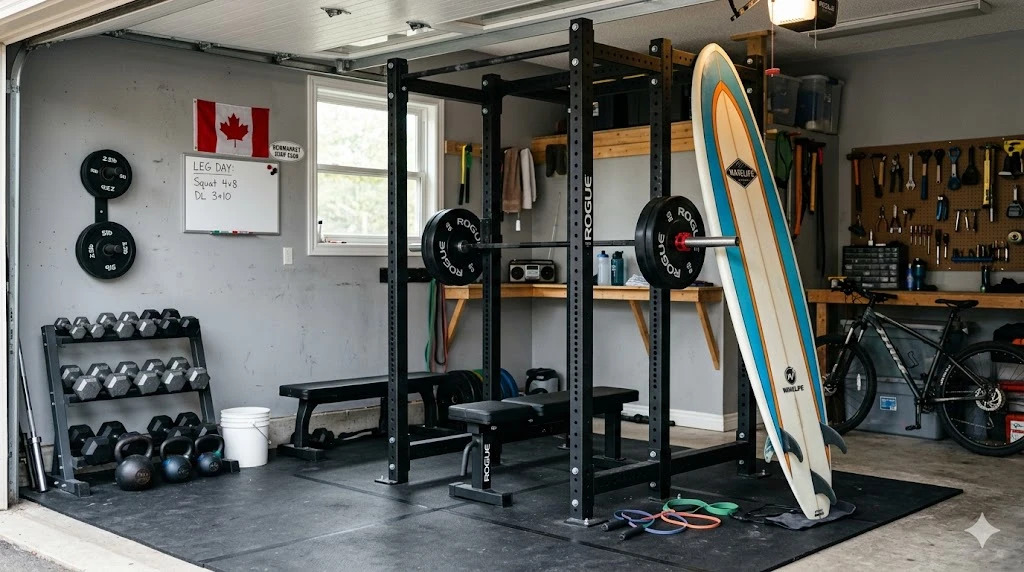
- Strength training: gym sessions at Beachside Fitness or other regional facilities. Indoor air-conditioning makes intensity tolerable.
- Pickleball: indoor pickleball facilities exist in the Collingwood area; outdoor early-morning play can be combined with indoor mid-day play.
- Yoga and stretching: many local studios offer mid-day classes.
- Indoor cycling: spin or stationary bike at home or at a gym.
- Walking the trails with shade cover: the forested-trail system is meaningfully cooler than open-beach activity.
- Air-conditioned shopping or museum visits: not exercise per se, but a productive midday-heat option.
The pattern that works for most peak-season residents: outdoor session 6–9 AM, indoor or indoor-equivalent activity 11 AM–3 PM, optional evening outdoor session 7–9 PM. Three movement opportunities in a day, structured around the heat curve.
Peak-season events
July and August have the densest local fitness events calendar of the year. The general categories (specifics change yearly):
- Running races: 5K, 10K, half-marathon events scattered across the Wasaga-Collingwood-Stayner region.
- Triathlons: the Wasaga Triathlon series runs through summer.
- Open water swimming events: swim meets and informal training groups.
- Cycling events: weekly group rides plus organised charity and fundraiser rides.
- Pickleball tournaments: regional tournaments at varying skill levels.
- Beach volleyball: tournaments and casual leagues.
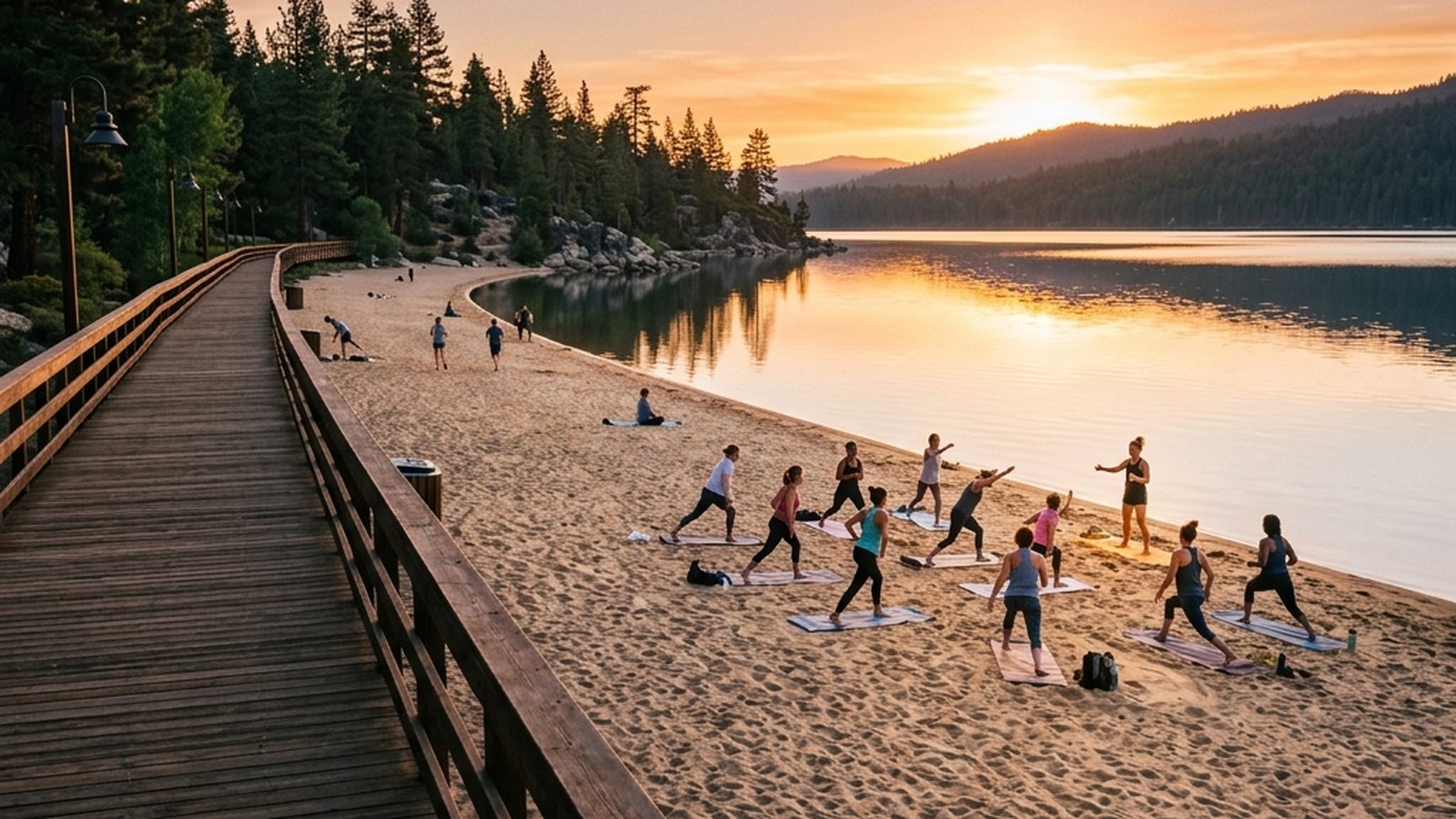
- Yoga in the park: outdoor yoga classes.
- Beach activities: organised volleyball, bocce, kite-flying, and other beach-game events.
For visitors planning an active vacation, July-August has the most variety. For locals, the events provide motivation, social context, and structured training cycles around target dates.
For Wasaga visitors in peak season
If you’re visiting Wasaga in July or August and want to maintain or improve fitness:
- Stay close to or in walking distance of the boardwalk for early-morning workouts.
- Pack appropriate gear: running shoes for the boardwalk, water shoes for the river, swim gear, a light wetsuit if you’re a serious cold-water swimmer.
- Plan one outdoor session before 8 AM: the early window pays off in workout quality and beach experience.
- Plan one outdoor activity after 7 PM: cooling temperatures, departing crowds, often the best part of the day.
- Use the trail system for the destination experience: Devil’s Glen, Pretty River, Tiny Marsh are within easy day-trip distance.
- Don’t exercise at midday: the heat-stress risk for someone unacclimated to summer Wasaga conditions is real.
- Hydrate aggressively: the cumulative day-long heat exposure depletes more fluid than most casual visitors expect.
- Use the indoor options for variety: not every session needs to be outdoor.
Practical takeaways
- Peak-season Wasaga is dramatically different from the rest of the year: heat, crowds, water-activity opportunities all peak.
- Early-morning workouts (5–9 AM) are the strategic peak-fitness window; late evening (after 7 PM) is the second window.
- Heat stress is medically serious: 30+°C with humidity is dangerous for most adults during exertion. Recognise and respect the warning signs.
- The trail system is your friend when the boardwalk is unworkable: distance from Beach Area 1 correlates with crowd reduction.
- Water is at its annual best; lifeguarded swim is the safest option; early/late windows are the best swim quality.
- The events calendar is densest in July–August: races, triathlons, group rides, sport tournaments.
Frequently asked questions
How early do I really need to start to beat the crowds?
For an uninterrupted boardwalk run, before 7 AM. For an uninterrupted Beach Area 1 swim, before 9 AM (lifeguards open at 10 AM in peak season; the early swim is at-your-own-risk). For trail running on the popular paths, before 9 AM is the realistic threshold. By 10 AM weekend days in July, the central area is fully active.
Is the early-morning workout really worth the sleep disruption?
For most serious fitness-focused locals, yes. The 5–9 AM beachfront in peak summer is photogenic, peaceful, and dramatically different from the 11 AM–7 PM tourist experience. The 2–3 weeks of sleep-schedule adjustment pay off in workout quality. For casual exercisers, the late-evening window is more accessible.
When is the lake too rough to swim?
When lifeguards close the swim zone (red flag flying), conditions are too rough for safe swimming. When wave height exceeds 1 metre or rip currents become visible, even strong swimmers should stay out. Onshore wind above 25 km/h often produces these conditions. A morning calm-water swim before lifeguards open is also at-your-own-risk; respect the conditions.
Can I rely on cellular service throughout the trails in peak season?
Generally yes. Peak season has additional infrastructure load on cell towers, which can produce slow data in crowded areas. The forested trails (Tiny Marsh interior, Pretty River) have intermittent service; the open beach and Beach Drive corridor are reliable. For multi-hour solo trail outings, a satellite messenger is sensible insurance.
What about smoke from wildfires?
Some recent summers have produced air-quality issues from forest fire smoke (particularly from Northern Ontario, Quebec, or Western Canada fires). Check Environment Canada Air Quality Health Index (AQHI) before vigorous outdoor activity if smoke is visible. AQHI 7+ should restrict heavy outdoor exertion; AQHI 10+ should keep most people indoors.
References
Environment CanadaEnvironment Canada Climate Data — Wasaga Beach historical averages. View source →CDC Heat IllnessCenters for Disease Control and Prevention — Extreme heat and heat-related illnesses. View source →Public Health Ontario HeatPublic Health Ontario — Extreme heat events and health impacts. View source →Ontario Parks — WasagaOntario Parks. Wasaga Beach Provincial Park — visitor information. View source →