Race & Event Preparation
Whether you’re training for a 5K, a charity walk, or a Hyrox event, the published evidence on intensity, volume, and recovery applies. These articles cover what the calibrated trials say about getting to the start line ready.
Most race preparation goes wrong in two places: too much volume too early, and too little intensity in the right places. The articles below cover the science of training adaptations — from low-volume HIIT protocols that deliver 5K-ready fitness to the load-carriage research behind rucking events.
8 articles on this topic
 Deep dive
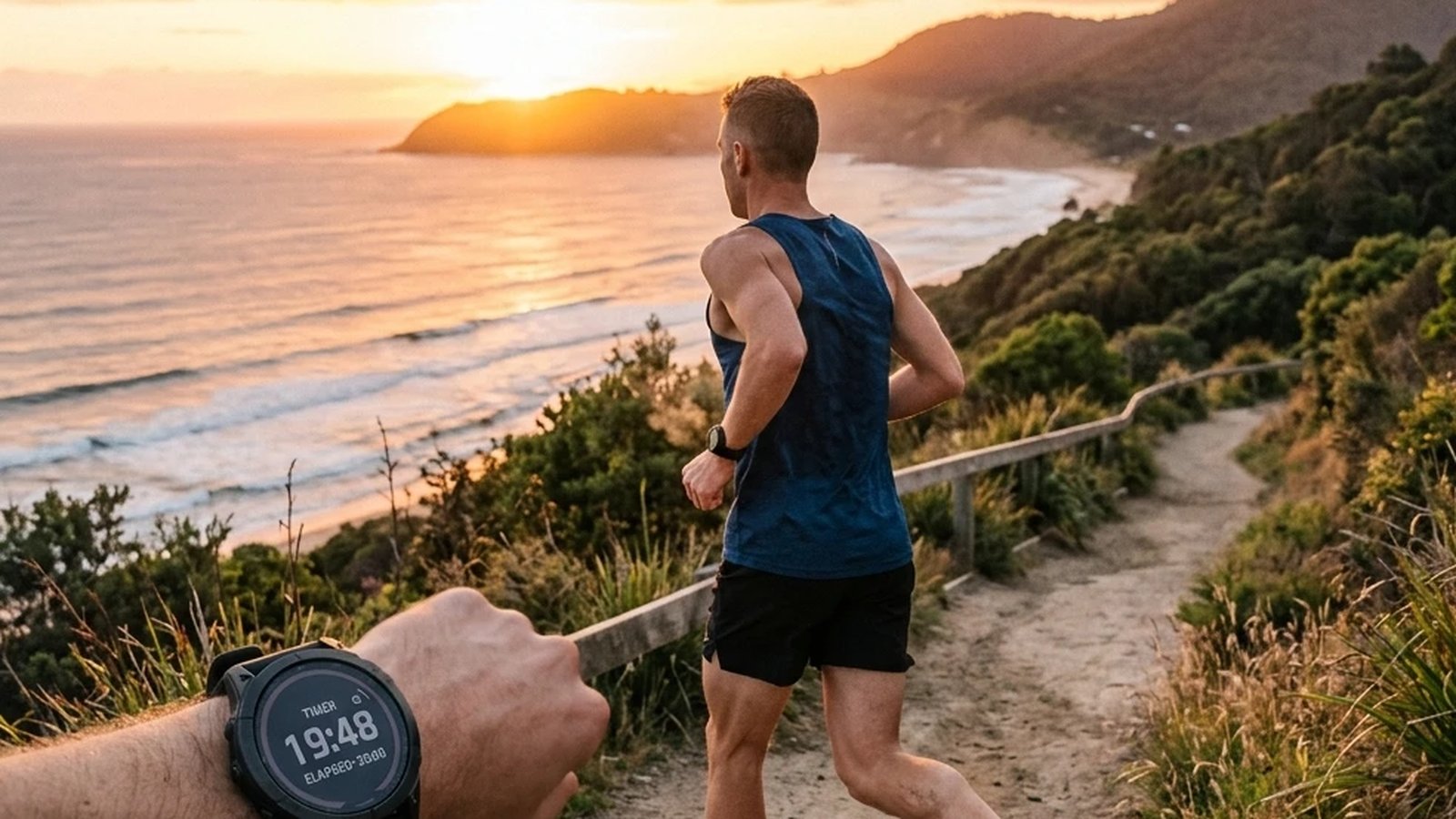
How to Train for a 5K with Only 20 Minutes a Day
Cardiovascular adaptations needed for a respectable 5K are intensity-driven, not volume-driven. What the peer-reviewed evidence on low-volum…
 Deep dive
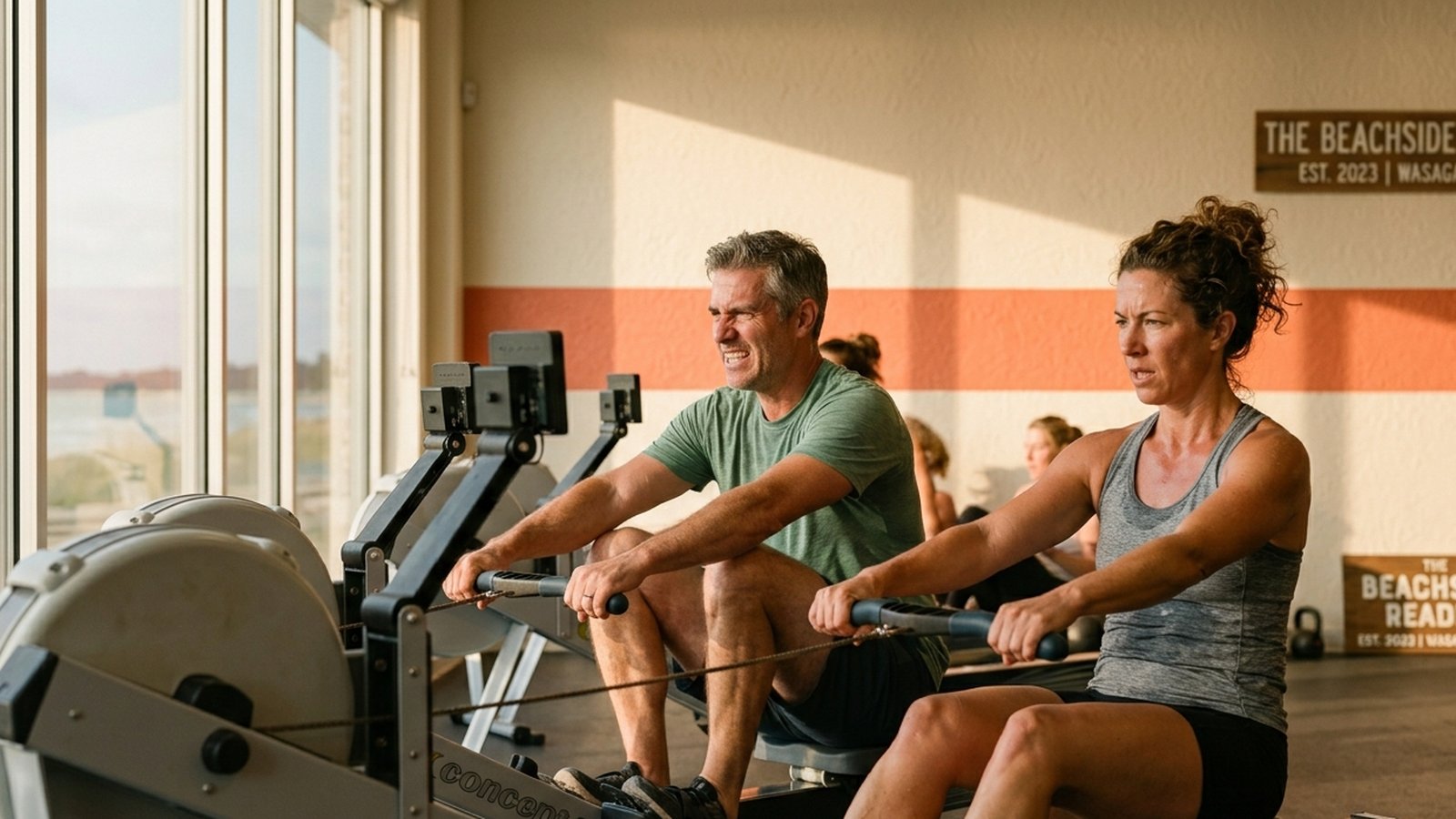
What Two Minutes of HIIT Does to Your Heart
Two decades of research from McMaster, the Tabata lab, and major cardiac-rehab trials show short, intense intervals match the cardiovascular…
 Deep dive
What 7,000 Steps a Day Really Does to Your Body
A evidence-based look at walking how the dose changes the result: how step counts from 4,000 to 12,000 a day affect mortality, dementia risk…
 Deep dive
The Mechanics of a Perfect Kettlebell Swing
It is a hip hinge, not a squat. Done well, it produces glute activation rivaling maximal hip thrusts and VO2max gains rivaling treadmill HII…
 Deep dive
Rucking vs. Backpacking: Which Builds More Functional Fitness
Both involve carrying weight on your back. The peer-reviewed evidence shows they train very different things - from bone density and cardiov…
 Deep dive
Cold-Water vs. Warm-Pool Swimming: How Temperature Changes the Workout
Both are excellent exercise. The water just changes which body system gets stressed. Cold water builds metabolic flexibility and resilience …
 Deep dive
Stair Climbing vs. Incline Treadmill Walking: Which Actually Trains Your Heart Harder
Stair climbing is one of the most metabolically demanding activities most adults can perform without specialized equipment. Incline treadmil…
 Deep dive
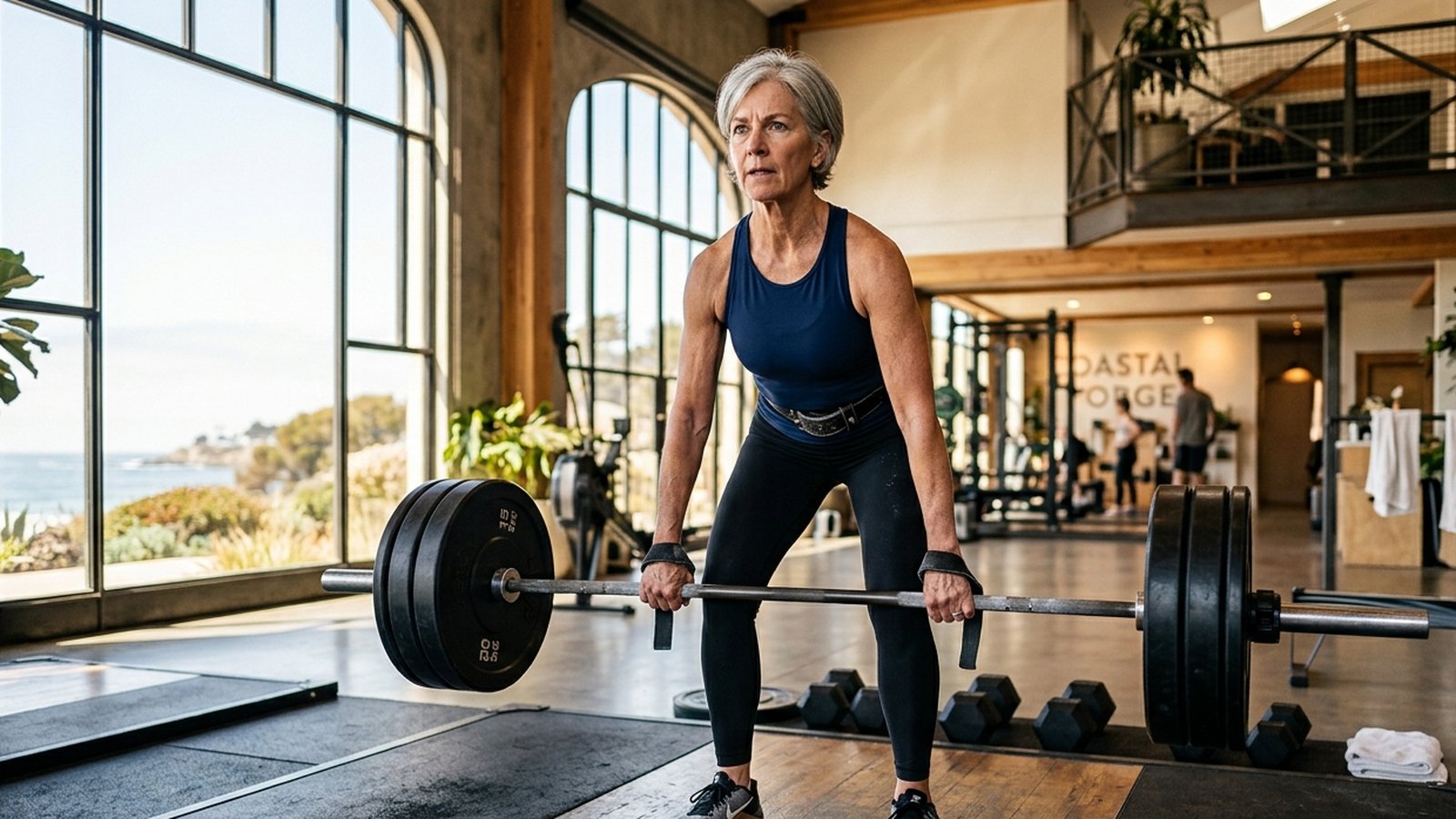
Strength Training Past 50: How Much, How Often, How Heavy
By age 30 most adults begin losing 0.5-1% of muscle and 1-3% of strength per year. By 70, untreated, that compounds into frailty. The peer-r…