The Science
Every claim on The Beachside Reader is cited to peer-reviewed source. These articles are our deepest dives into the published evidence — the cornerstones whose research base is large enough to drive practical decisions.
These articles are the journal’s most thoroughly cited — each draws on systematic reviews, RCTs, and large cohort studies to build a practical recommendation. If you want to understand the evidence behind a popular fitness or nutrition idea, start here.
10 articles on this topic
 Deep dive
What Two Minutes of HIIT Does to Your Heart
Two decades of research from McMaster, the Tabata lab, and major cardiac-rehab trials show short, intense intervals match the cardiovascular…
 Deep dive
How Much Protein You Actually Need
The 0.8 g/kg RDA was set as a deficiency floor in the 1970s. Two decades of later research show active adults — and especially older adults …
 Deep dive
Creatine — The Most-Studied Supplement Ever
Over a thousand peer-reviewed trials and 30 years of research show creatine monohydrate is safe, cheap, and broadly beneficial — for muscle,…
 Deep dive
The Mediterranean Diet: What 25 Years of Trials Show
From the 1999 Lyon Diet Heart Study through PREDIMED (2013, reanalysed 2018) and CORDIOPREV (2022), the Mediterranean dietary pattern has ac…
 Deep dive
Sleep: The Most Under-Prescribed Performance and Longevity Intervention
Of all the levers a person can pull for performance, mood, metabolic health, and longevity, sleep is the cheapest and the highest-leverage. …
 Deep dive
Vitamin D: Who Actually Needs to Supplement, and How Much
The only nutrient your skin can manufacture from sunlight — and at Canadian latitudes, that mechanism shuts down for half the year. The peer…
 Deep dive
Caffeine for Performance and Health: What 21 Meta-Analyses Show
The most-used psychoactive substance on earth and the most-studied performance supplement in sport. The 2020 Grgic umbrella review pooled 21…
 Deep dive
Strength Training Past 50: How Much, How Often, How Heavy
By age 30 most adults begin losing 0.5-1% of muscle and 1-3% of strength per year. By 70, untreated, that compounds into frailty. The peer-r…
 Deep dive
What 7,000 Steps a Day Really Does to Your Body
A evidence-based look at walking how the dose changes the result: how step counts from 4,000 to 12,000 a day affect mortality, dementia risk…
 Deep dive
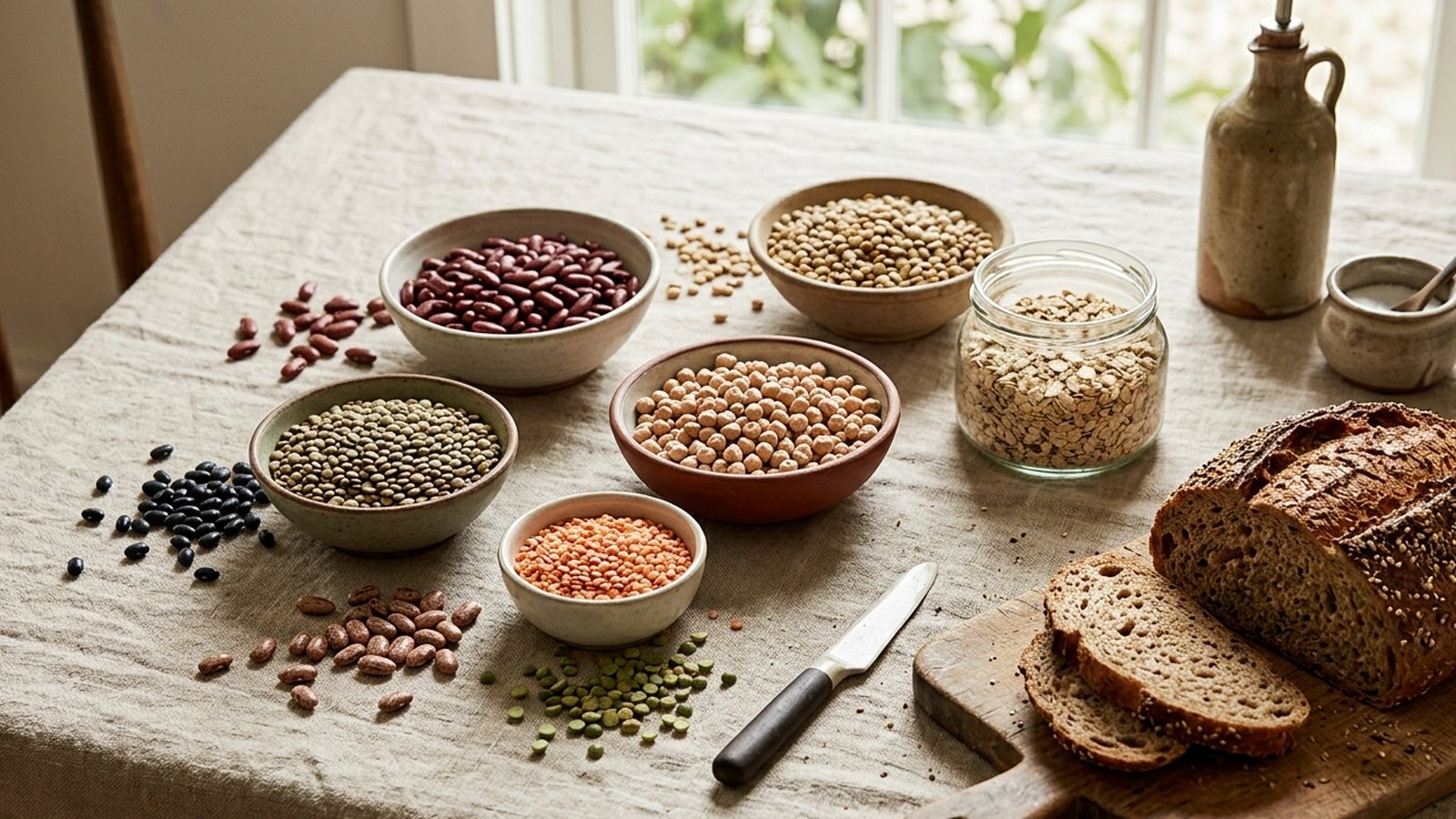
Why Most Adults Need More Fibre — and How Much
Most North Americans eat half the recommended fibre — and the cost compounds across decades. The 2019 Lancet WHO commission's meta-analysis …