Safety
When to push, when to back off, when to call a doctor. Practical decision-making for staying out of injury and into adaptation.
 Safety
Cold-water acclimatization — when Wasaga + Georgian Bay water gets unsafe
Water below 15 degrees Celsius triggers cold-shock response that kills experienced swimmers. The thermal cliff is sharper than people realiz…
 Safety
Gym Hygiene: Skin Infections, MRSA, and What Actually Works
Gyms transmit MRSA, athlete's foot, plantar warts, and respiratory viruses - but the protective behaviours are simpler than the marketing su…
 Safety
How Hard Should You Push? An RPE-Based Framework
Most recreational adults are stuck in one of two failure modes: never quite hard enough to drive adaptation, or so hard so often that progre…
 Safety
How to carry a loaded cooler safely: the asymmetric-load case
Why one-handed cooler carries are the highest-risk beach-day movement for the lumbar spine, the load-distribution research, and the two-hand…
 Safety
Kayak shoulder health: technique vs strength
Two thirds of kayakers have shoulder pain in any given year. The cause is technique, the fix is trunk rotation, and the same change makes yo…
 Safety
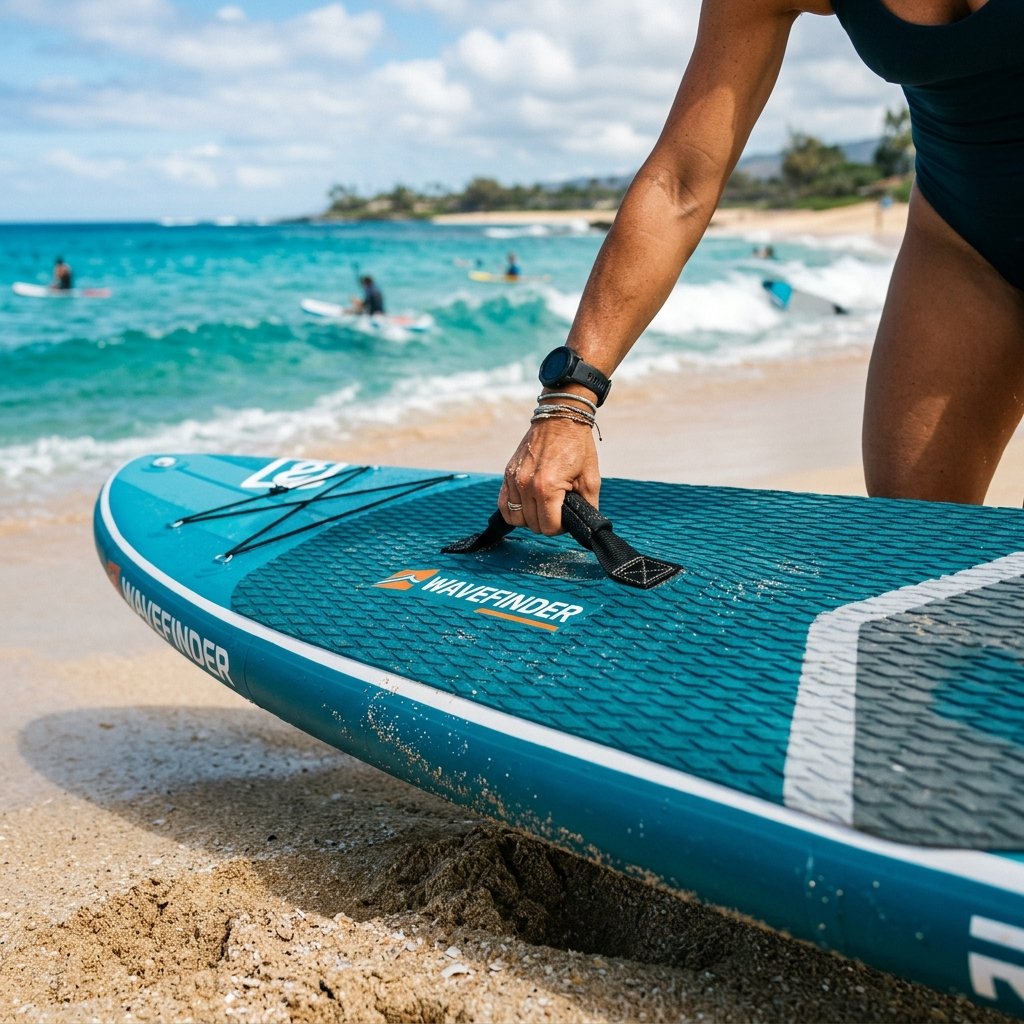
Lifting and transporting a paddleboard safely
Why a 12-foot SUP is awkward to carry alone, the over-the-head vs side-carry tradeoff, and the published shoulder-injury patterns.
 Safety
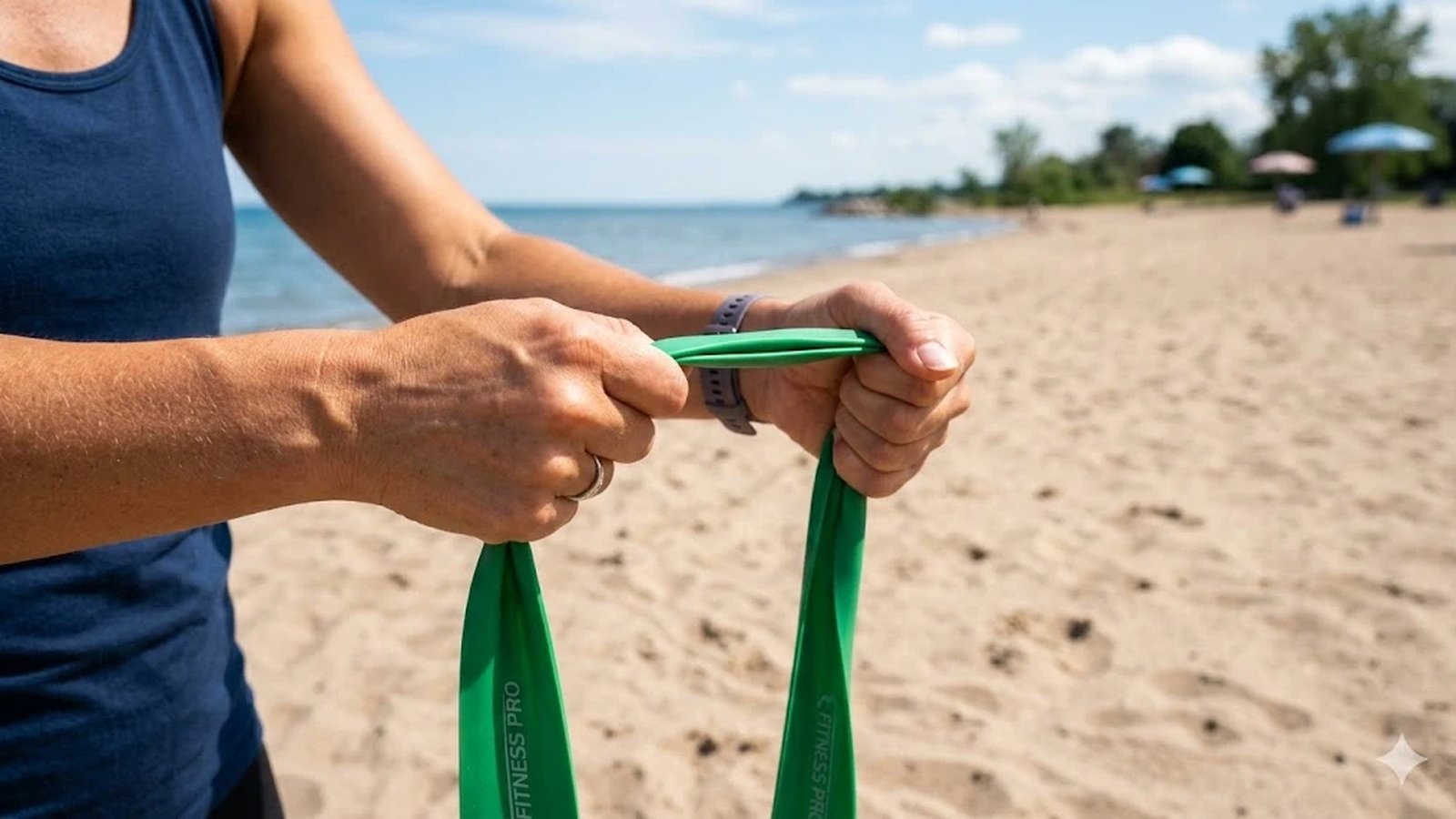
Navigating uneven terrain as we age: balance, gaze, and the proprioceptive case
Why uneven-terrain practice matters more than gym-based balance work for older adults, the falls-prevention evidence, and a graded outdoor-w…
 Safety
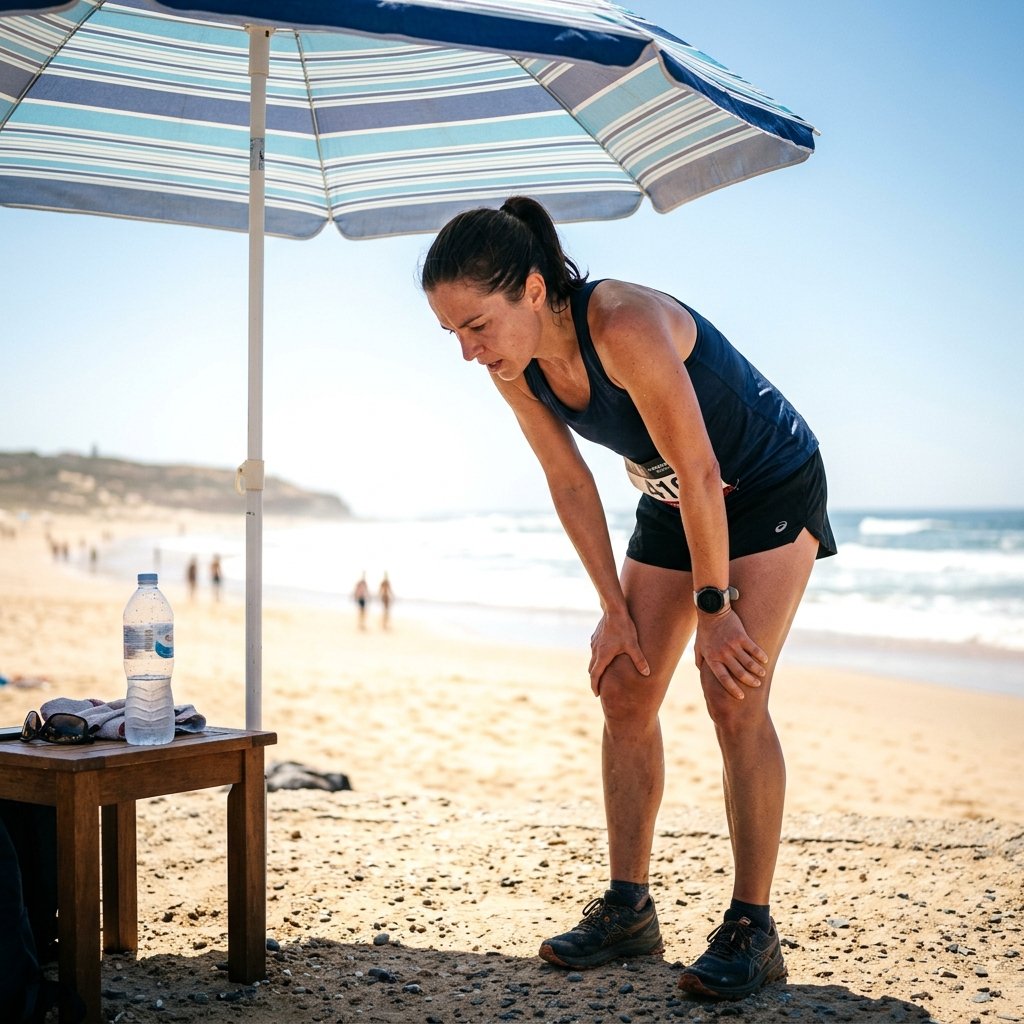
Recognizing heat exhaustion: the early signs you can't ignore
The progression from heat strain to heat stroke, the field-recognizable signs, and the cooling protocols that actually save lives.
 Safety
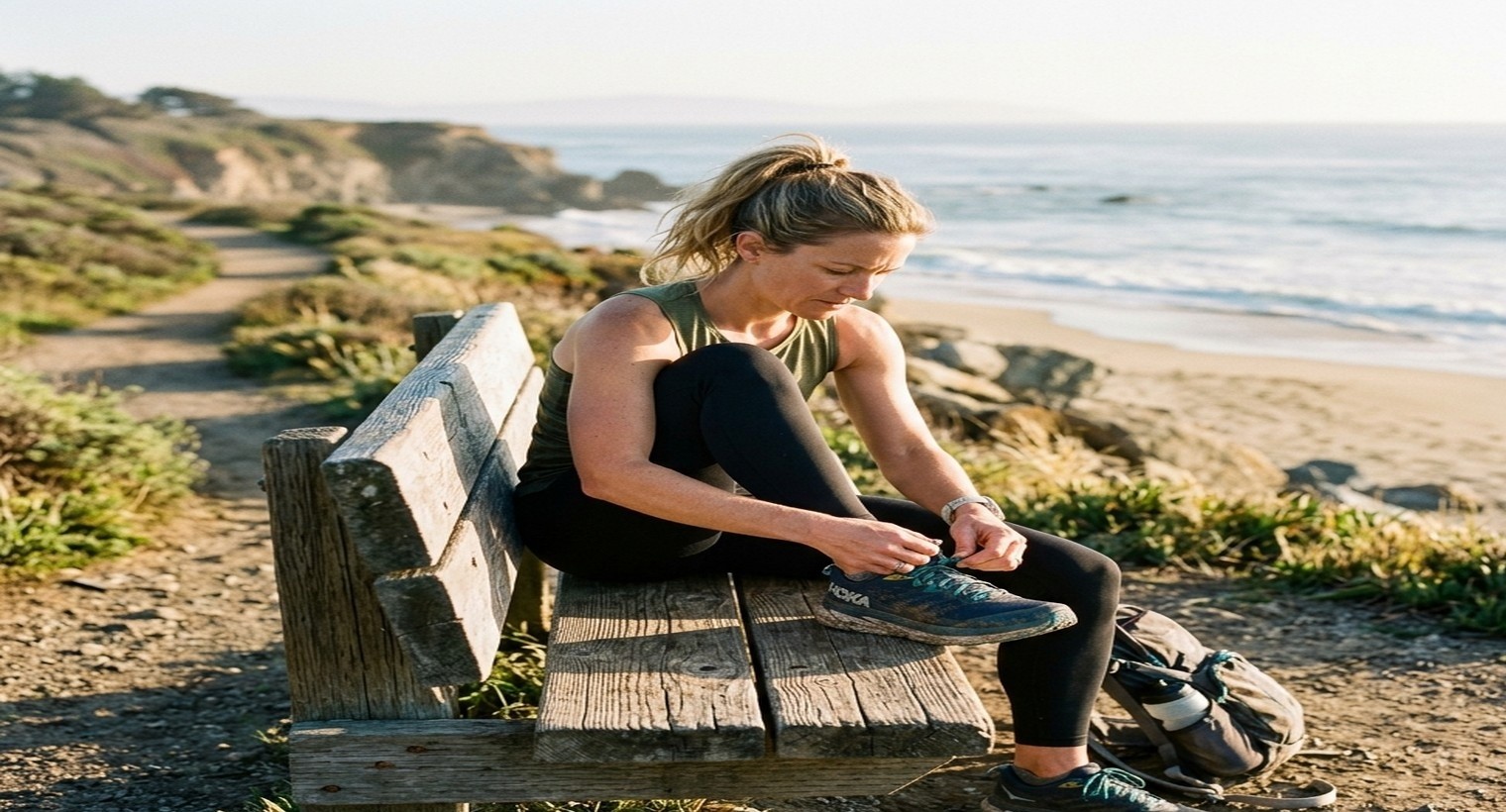
Resilience After Injury: The Science of the Comeback
Recovery is half tissue, half psychology. The evidence-based path back to sport.
 Safety
Returning to Training After Illness, Injury or a Layoff
The single inflection point at which most training relapses happen. Either people come back too fast and re-injure, or wait so long that det…
 Safety
Soreness vs Injury: How to Tell the Difference
Most post-workout pain is delayed-onset muscle soreness — annoying, normal, and self-limiting. A small fraction is the early signal of somet…
 Safety
The 4 form cues that tell you to stop a hot-day run — before your form collapses
Cadence drift, lateral pelvic drop, head bob, and arm cross are the visible warning signs of heat-induced fatigue. The cardiovascular drift …
 Safety
The biomechanics of digging sandcastles: hip-hinge and back protection
Why hours of shovelling sand produces back pain even in fit adults, the hip-hinge cue that prevents it, and the joint-friendly technique res…
 Safety
Throwing mechanics for beach football: shoulder load and scapular control
Why casual football throwing produces disproportionate shoulder and elbow stress, the kinetic-chain research, and the technique cues that pr…
 Safety
What 90 minutes of sun on a long run does to your skin — and which sunscreens hold up under sweat
UV exposure on outdoor athletes is dose-dependent: the literature shows measurable DNA damage after 30 minutes at peak UV. But not all sport…
 Safety
When to Stop Training and Call a Doctor
Most exercise-related warning signs are minor and self-limiting. A small number are not. This guide — built from AHA, ESC and Canadian sport…
 Safety
Why fall trail running spikes ankle sprains — and the 3-week neuromuscular prep
Leaf-covered trails hide rocks, roots, and uneven terrain. Ankle sprain rates double from late September through November. A 3-week proprioc…
Looking for something specific? Browse every article in the library →