The 60-second version
For 25 years the gym-marketing world has told you that you have a 30-minute ‘anabolic window’ after training in which protein must be consumed or muscle gains will be lost. The peer-reviewed evidence has steadily collapsed this claim. The most-cited modern review — Schoenfeld and Aragon’s 2013 Journal of the International Society of Sports Nutrition meta-analysis — found total daily protein intake matters far more than narrow timing Schoenfeld 2013; the companion Aragon and Schoenfeld review put the practical window in hours, not 30 minutes, advising that pre- and post-training protein meals be no more than roughly 3–4 hours apart Aragon 2013. The 2017 follow-up review concluded that for adults eating adequate daily protein (1.6-2.2 g/kg) and a protein-containing meal in the few hours before training, the post-workout urgency is almost entirely manufactured. The exception is athletes training fasted (early-morning sessions before any food); for them, post-workout protein matters more because the pre-workout meal didn’t happen. For everyone else: hit the daily protein target, distribute it across 3-5 meals of 25-40 g each, and stop stressing about a 30-minute clock.
Educational journalism, not medical advice. Every claim here is checked against its cited sources by editor Timothy Bunce — a health writer, not a physician. It isn’t specific to your situation: for health decisions, talk to your own clinician. How we work →
Some links in this article are affiliate links. If you buy through one, The Beachside Reader earns a commission at no extra cost to you. It never changes which products we pick, or what we say about them. Full affiliate disclosure →
Where the 30-minute window came from
The original studies that birthed the ‘anabolic window’ concept were small, often used fasted-state subjects, and measured short-term muscle protein synthesis (MPS) markers rather than long-term hypertrophy outcomes Tipton 2001. The supplement industry seized on these findings and turned them into the marketing claim that you must consume whey within 30 minutes or lose your gains. The marketing significantly outpaced the underlying science.
The actual signal in the early data: protein consumed close to a workout produces a brief MPS spike. The error in the marketing: extrapolating that to “you must consume protein within 30 minutes or training is wasted.” The MPS spike from a single meal is one piece of a 24-hour protein-balance picture. Total daily intake distributed across meals dominates the long-term outcome.
“…meeting target protein requirements is paramount with respect to exercise-induced muscle protein accretion; immediate intake of dietary protein pre and/or post-workout would at best appear to be a minor consideration.”
— Schoenfeld, Aragon & Krieger, J Int Soc Sports Nutr, 2013 view source
What the actual hypertrophy trials show
Schoenfeld 2013’s meta-analysis of 23 trials examining protein timing produced a clear pattern:
- Total daily protein intake dominated outcomes. When matched for daily protein, timing-vs-no-timing groups showed minimal differences in lean-mass gains.
- The window is wide: once total protein intake was accounted for, timing protein close to the session made no significant difference to strength or hypertrophy, so the 30-minute claim wasn’t supported.
- Pre-workout meals matter: subjects who ate a substantial protein meal 1-2 hours before training showed minimal benefit from immediate post-workout protein (the pre-workout meal’s amino acids were still elevated post-session).
- Total daily distribution: 3-5 meals containing 25-40 g of protein each appears optimal. Within that, exact timing matters less than people assume Schoenfeld 2018.
The 2013 Aragon & Schoenfeld review reached a compatible conclusion: the window is hours, not 30 minutes, and for a typical 45–90-minute session pre- and post-exercise protein meals should be no more than roughly 3–4 hours apart Aragon 2013.
When timing actually does matter
The window narrows under specific conditions. The honest list:
- Fasted training (early-morning sessions before any food): the pre-workout meal’s protein isn’t available to support synthesis, so post-workout protein within 1-2 hours becomes meaningful. Otherwise the meal-to-meal interval is too long Areta 2013.
- Multiple training sessions per day (athletes with morning + evening sessions): replenishment matters more between sessions than for once-daily training.
- Endurance events > 2-3 hours: protein during and soon after the event may reduce muscle damage markers and support recovery for next-day training.
- Older adults (60+): anabolic resistance increases with age, so per-meal protein dose matters more (25-30 g per meal vs 20 g) and timing around resistance training has slightly more leverage Bauer 2013.
- Severe calorie restriction (cutting phase): protein timing around training becomes more important when total intake is low; the per-meal dose still dominates.
Practical daily distribution
| Profile (75 kg adult) | Daily target | Distribution |
|---|---|---|
| Recreational lifter | 120-150 g | 4 meals × 30-40 g |
| Hypertrophy-focused trainee | 150-180 g | 5 meals × 30-36 g |
| Endurance athlete | 105-135 g | 4 meals × 27-34 g |
| Older adult (60+) with resistance training | 120-165 g | 4 meals × 25-30 g (per-meal floor matters) |
| Adult on weight-loss diet | 135-165 g | 4-5 meals × 30-35 g (high-protein deficit) |
Who needs to think about this
| Profile | Timing matters? | Notes |
|---|---|---|
| Adult eating 4 protein-bearing meals daily | Minimally | Daily total dominates; relax |
| Adult who skips breakfast and trains midday | Modestly | Pre-workout meal becomes more important |
| Athlete training fasted at 5 AM | Yes | Post-workout protein within 1-2 hours genuinely matters |
| Older adult on resistance program | Yes (per-meal dose) | Each meal needs 25-30 g; timing close to training adds smaller benefit |
| Adult on intermittent fasting (16:8) | Yes | Compressed eating window means timing the high-protein meal close to training matters more |
| Elite athlete in 2-a-day training | Yes | Recovery between sessions is the constraint |
| Adult with disordered-eating concerns | Avoid rigid timing | Flexibility under clinician oversight is safer |
If you trained, what should you actually do?
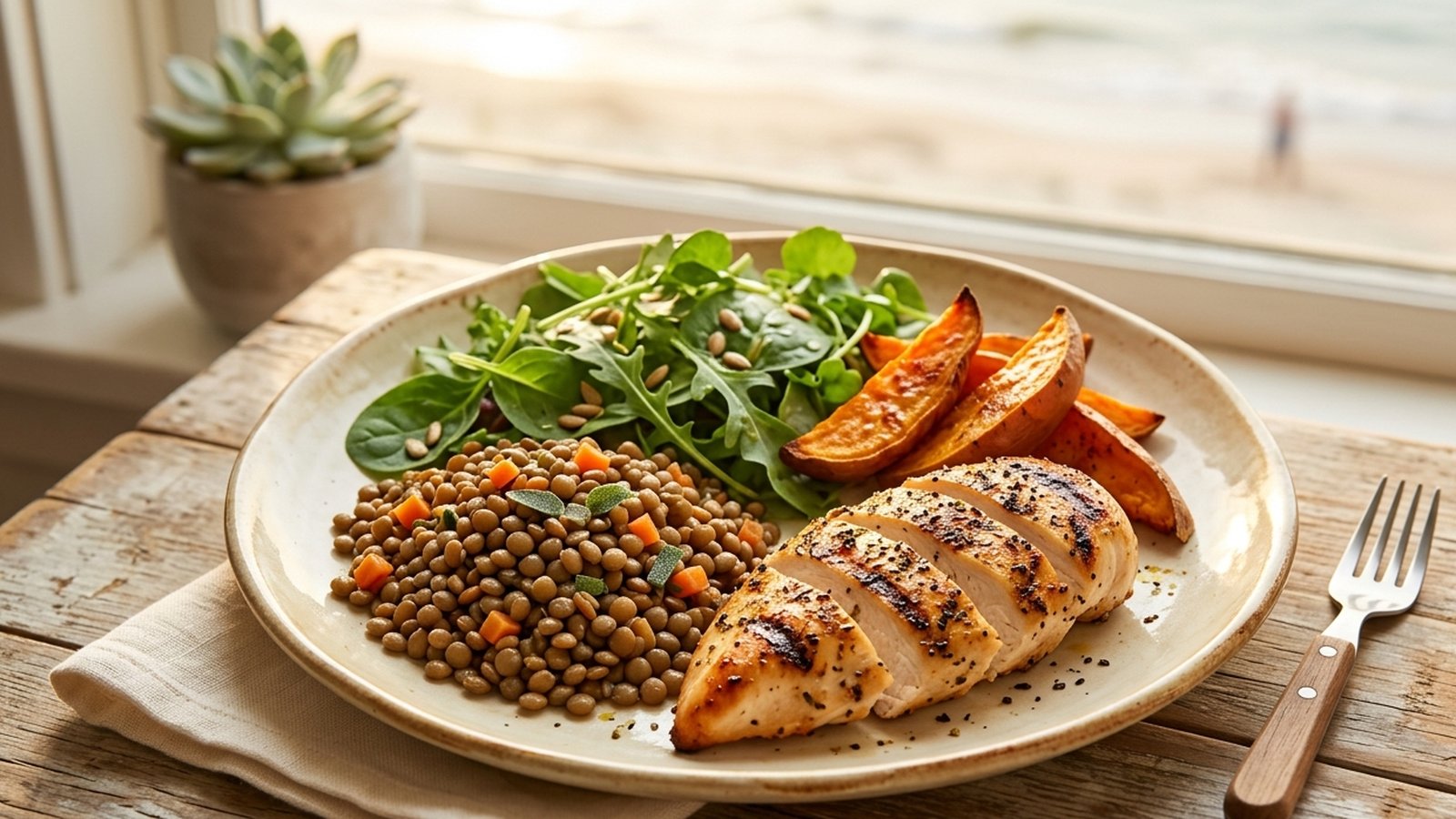
- Eat a protein-rich meal in the couple of hours before training. This covers much of the post-workout window without separate timing concern.
- Have your next protein-containing meal soon enough after training that it falls within roughly 3–4 hours of the one before. The 25-40 g of protein in that meal supports recovery; you don’t need a separate ‘immediately post’ intervention.
- If you trained fasted: yes, eat a protein-rich meal within 1-2 hours of finishing.
- If you’re an older adult: prioritise the per-meal dose (25-30 g) over timing precision.
- If you have kidney disease: the protein targets on this page are for healthy adults; ask your clinician or dietitian what intake suits you before raising your protein.
- Don’t panic about the 30-minute window. The published evidence says relax. Hit your daily total.
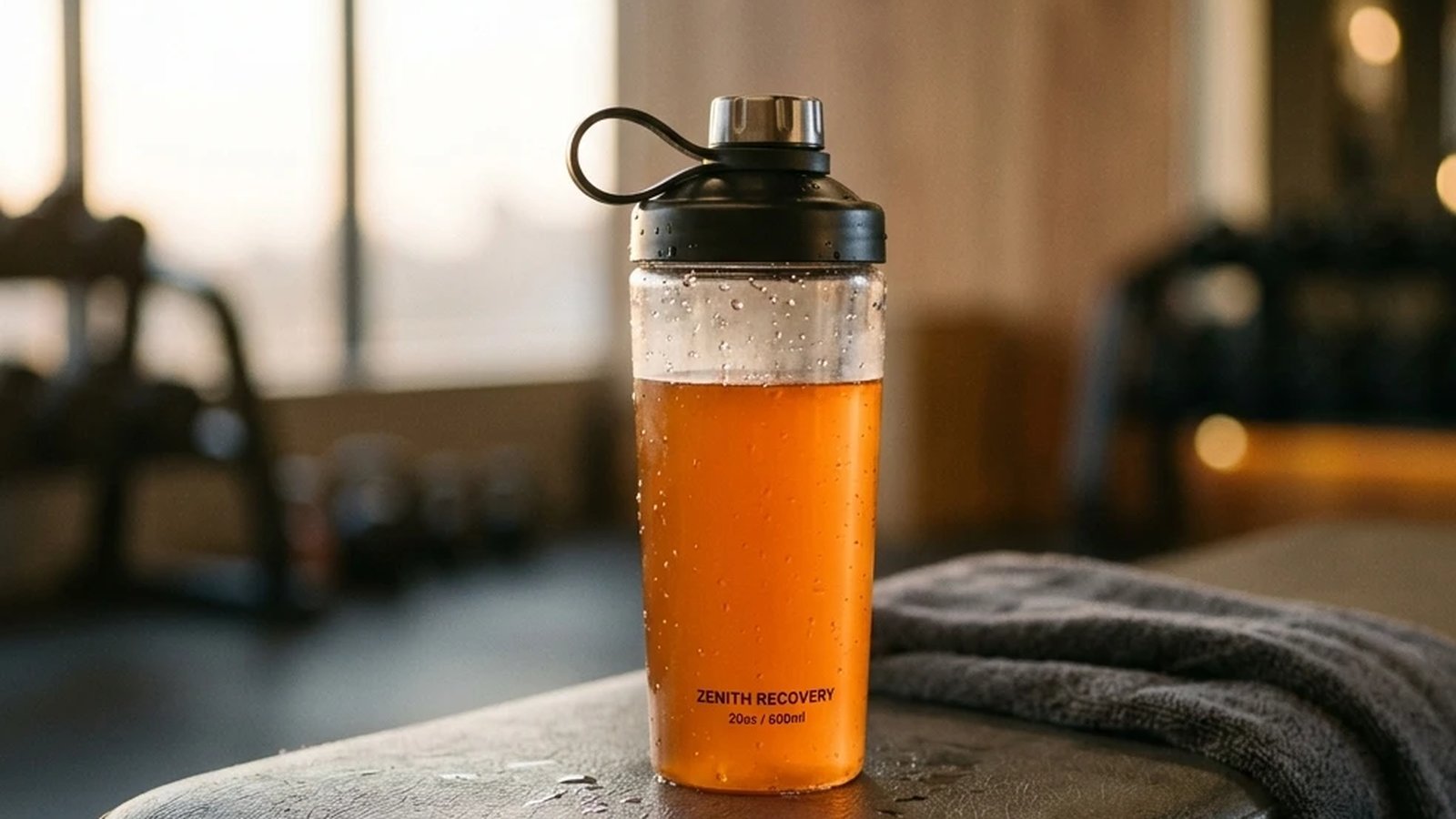
- For convenience, a shake works. RTD or whey post-training is fine if a meal isn’t available; it just isn’t magical.
Specific myths the evidence rejects
- “You must consume protein within 30 minutes”: not supported. The window is hours: keep pre- and post-training protein meals within roughly 3–4 hours of each other.
- “Whey post-workout is essential”: any protein source meeting the dose works. Whey’s convenience is real; its uniqueness is overstated.
- “Mass-gainer shakes during workouts”: not supported by the evidence. Sugar during a 60-minute lift adds calories without supporting recovery beyond what a regular meal does.
- “Carbs spike insulin to drive nutrients into muscle”: oversimplified. The insulin response to mixed meals is more than adequate; you don’t need to hyper-spike it.
- “You can’t build muscle without post-workout shakes”: false. Adults eating real food on a normal schedule build muscle effectively without supplementation.
Practical takeaways
- The 30-minute “anabolic window” is marketing, not science. The practical window is hours: keep pre- and post-training protein meals within roughly 3–4 hours of each other.
- Schoenfeld 2013 meta-analysis of 23 trials: total daily protein intake dominated outcomes; timing differences were minor or nonexistent.
- Hit 1.6-2.2 g/kg daily, distribute across 3-5 meals of 25-40 g each. The per-meal dose matters more than the clock.
- Timing does matter for: fasted training, 2-a-day training, older adults, and severely calorie-restricted dieters.
- For most adults: eat a protein-rich meal before training and your next one after it, no more than roughly 3–4 hours apart. That’s the entire timing protocol.
- Stop stressing about post-workout shakes. They’re convenient, not magical.
Frequently asked questions
Do I really not need a protein shake right after lifting?
Probably not, if you ate a protein-rich meal in the couple of hours before training. Schoenfeld's 2013 meta-analysis of 23 trials found total daily protein intake dominated outcomes. The practical window is hours, not 30 minutes: Aragon and Schoenfeld suggest keeping pre- and post-training protein meals no more than roughly 3-4 hours apart. A protein shake is convenient when a real meal isn't available; it isn't magical.
Are there exceptions where timing matters?
Yes. Fasted training (early-morning before food) means post-workout protein within 1-2 hours genuinely matters. Older adults need 25-30 g per meal (the per-meal dose matters more than younger adults). Two-a-day training requires faster replenishment between sessions. Endurance events over 2-3 hours benefit from protein during and immediately after.
What's the right per-meal protein dose?
25-40 g for healthy adults. The Schoenfeld 2018 review converged on 0.4 g/kg per meal as the practical floor. For a 75 kg adult, that's 30 g per meal across 4-5 meals = 120-150 g/day. Older adults benefit from the upper end (25-30 g).
Should I split protein evenly or load it into specific meals?
Even distribution beats loading. Areta 2013 compared 4 meals × 20 g vs 2 meals × 40 g vs 8 meals × 10 g, all matched for daily total. The 4 × 20 g pattern produced the highest 12-hour MPS rates. Modern advice is 4-5 meals × 25-40 g.
What about pre-sleep protein?
Has small documented benefit for trained athletes. Trommelen 2023 showed casein-rich pre-sleep meals modestly elevate overnight muscle protein synthesis in athletes during a recovery night. Small effect, real evidence base. Cottage cheese, Greek yogurt, or casein shake before bed: reasonable for trainees prioritising recovery, optional for everyone else.
References
Schoenfeld 2013Schoenfeld BJ, Aragon AA, Krieger JW. The effect of protein timing on muscle strength and hypertrophy: a meta-analysis. J Int Soc Sports Nutr. 2013;10(1):53. View source →Aragon 2013Aragon AA, Schoenfeld BJ. Nutrient timing revisited: is there a post-exercise anabolic window? J Int Soc Sports Nutr. 2013;10(1):5. View source →Schoenfeld 2018Schoenfeld BJ, Aragon AA. How much protein can the body use in a single meal for muscle-building? Implications for daily protein distribution. J Int Soc Sports Nutr. 2018;15:10. View source →Areta 2013Areta JL, Burke LM, Ross ML, et al. Timing and distribution of protein ingestion during prolonged recovery from resistance exercise alters myofibrillar protein synthesis. J Physiol. 2013;591(9):2319-2331. View source →Tipton 2001Tipton KD, Rasmussen BB, Miller SL, et al. Timing of amino acid-carbohydrate ingestion alters anabolic response of muscle to resistance exercise. Am J Physiol Endocrinol Metab. 2001;281(2):E197-E206. View source →Bauer 2013Bauer J, Biolo G, Cederholm T, et al. Evidence-based recommendations for optimal dietary protein intake in older people: a position paper from the PROT-AGE Study Group. J Am Med Dir Assoc. 2013;14(8):542-559. View source →Morton 2018Morton RW, Murphy KT, McKellar SR, et al. A systematic review, meta-analysis and meta-regression of the effect of protein supplementation on resistance training-induced gains in muscle mass and strength in healthy adults. Br J Sports Med. 2018;52(6):376-384. View source →Phillips 2016Phillips SM. The impact of protein quality on the promotion of resistance exercise-induced changes in muscle mass. Nutr Metab (Lond). 2016;13:64. View source →Witard 2014Witard OC, Jackman SR, Breen L, Smith K, Selby A, Tipton KD. Myofibrillar muscle protein synthesis rates subsequent to a meal in response to increasing doses of whey protein at rest and after resistance exercise. Am J Clin Nutr. 2014;99(1):86-95. View source →Burd 2009Burd NA, Tang JE, Moore DR, Phillips SM. Exercise training and protein metabolism: influences of contraction, protein intake, and sex-based differences. J Appl Physiol. 2009;106(5):1692-1701. View source →ISSN 2017Jäger R, Kerksick CM, Campbell BI, et al. International Society of Sports Nutrition position stand: protein and exercise. J Int Soc Sports Nutr. 2017;14:20. View source →Trommelen 2023Trommelen J, van Lieshout GAA, Pabla P, et al. Pre-sleep protein ingestion increases mitochondrial protein synthesis rates during overnight recovery from endurance exercise: a randomized controlled trial. Sports Med. 2023;53(7):1445-1455. View source →Kim 2016Kim IY, Schutzler S, Schrader A, et al. The anabolic response to a meal containing different amounts of protein is not limited by the maximal stimulation of protein synthesis in healthy young adults. Am J Physiol Endocrinol Metab. 2016;310(1):E73-E80. View source →