Women’s Health, Pre & Postnatal
Menstrual-cycle training, perimenopause and menopause strength work, pregnancy and postnatal recovery, pelvic-floor maintenance — what the evidence supports at each stage.
 Women’s Health, Pre & Postnatal
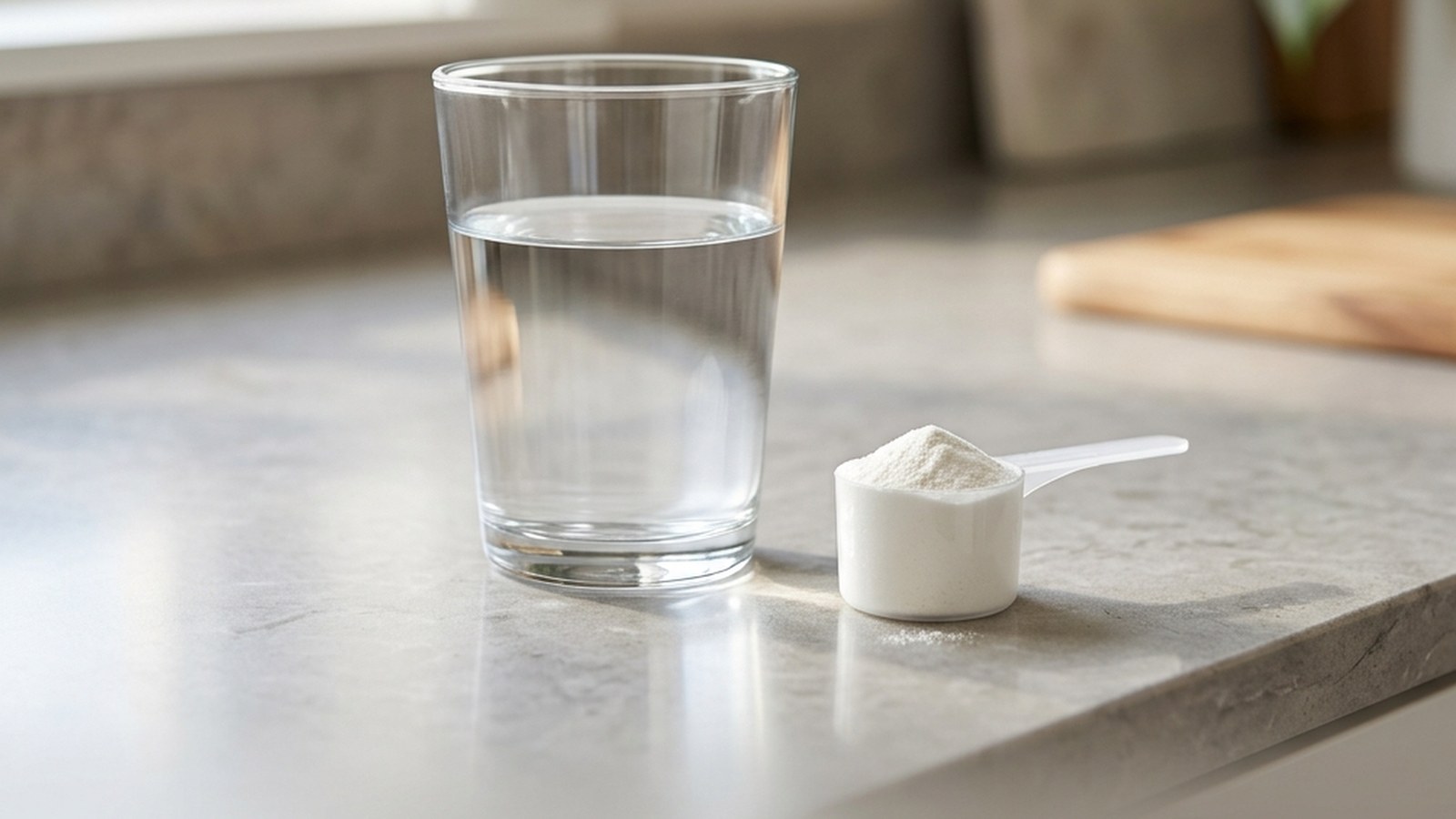
Creatine for Women: What the Evidence Actually Shows
The same 3-5 g/day dose. No hair-thinning signal in the trials. Sometimes larger effects than men. The 2021 lifespan-review evidence on crea…
 Women’s Health, Pre & Postnatal
Diastasis Recti Rehab: Evidence-Based Postnatal Core Recovery
Sperstad 2016: DRA prevalence falls from 60% at 6 weeks postpartum to 45% at 6 months without any intervention. Gluppe 2018: a supervised ex…
 Women’s Health, Pre & Postnatal
Exercise During and After Pregnancy: An Evidence-Based Guide
The modern evidence — codified in 2018-2020 ACOG, CSEP, and IOC consensus statements — is unambiguous: regular physical activity during a he…
 Women’s Health, Pre & Postnatal
Menopause and Strength Training: An Evidence-Based Read
Watson 2018 LIFTMOR: heavy resistance + impact training produces bone-density gains in postmenopausal women. The cultural “light weigh…
 Women’s Health, Pre & Postnatal
Pelvic Floor Maintenance for Runners and Active Women
30-50% of female runners experience pelvic floor symptoms; highly responsive to targeted work. The phase protocol, when to see a pelvic floo…
 Women’s Health, Pre & Postnatal
Sports Bras: Fit, Support, and the Biomechanics That Matter
The unsupported breast moves up to 15 cm in three dimensions per running stride. A correctly-fitted sports bra cuts that motion substantiall…
 Women’s Health, Pre & Postnatal
Strength Training vs Cardio in Menopause: Which Matters More After 40?
As estrogen falls, you’re defending bone, muscle and heart at once - and the two kinds of exercise defend different parts. Cardio prot…
 Women’s Health, Pre & Postnatal
Stroller Running: Postnatal Cardio Without the Daycare Logistics
Pushing a stroller adds 8-15% to running energy cost, alters trunk lean and arm swing, and concentrates load on shoulders and lower back. Th…
 Women’s Health, Pre & Postnatal
The Menstrual Cycle and Training: Phase-Based Periodization for Female Athletes
What the research says - and doesn’t say - about training across the menstrual cycle. Practical adjustments without the cycle-syncing …
 Women’s Health, Pre & Postnatal
The Pelvic Floor Drill Most People Skip After 40
Pelvic floor dysfunction is hugely underdiagnosed in men and women 40+. Stress incontinence, lower-back pain, and post-pregnancy core dysfun…
 Women’s Health, Pre & Postnatal
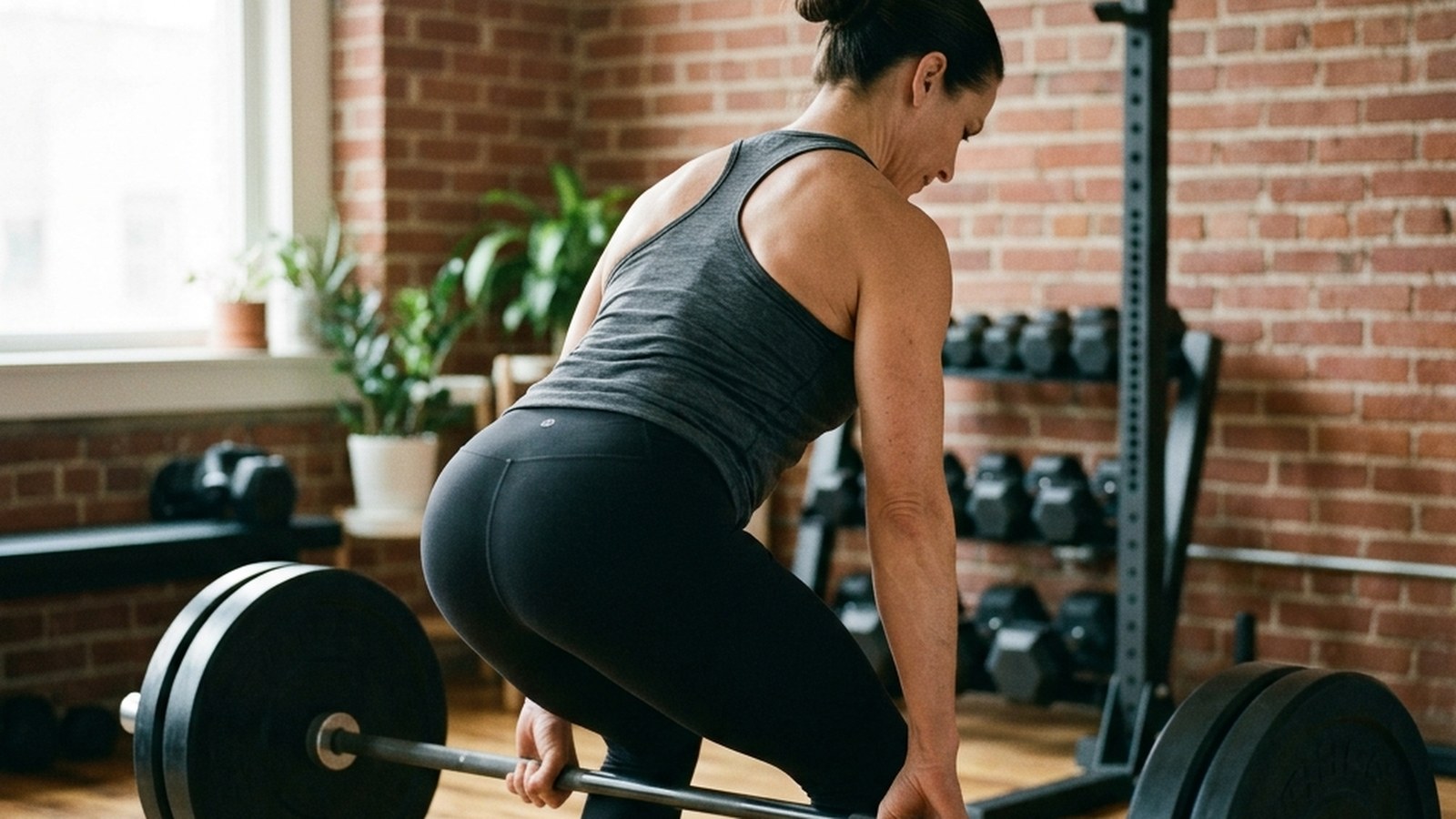
The Perimenopause Lift: Why Strength Trains Estrogen Drop
Estrogen decline in the 40-55 window changes bone density, body composition, and recovery rate. Heavy resistance training is the most eviden…
 Women’s Health, Pre & Postnatal
The Perimenopause Strength Starter
A short, cited, do-this-week guide to protecting your muscle and bone through perimenopause and menopause — no hype, no overwhelm.
 Women’s Health, Pre & Postnatal
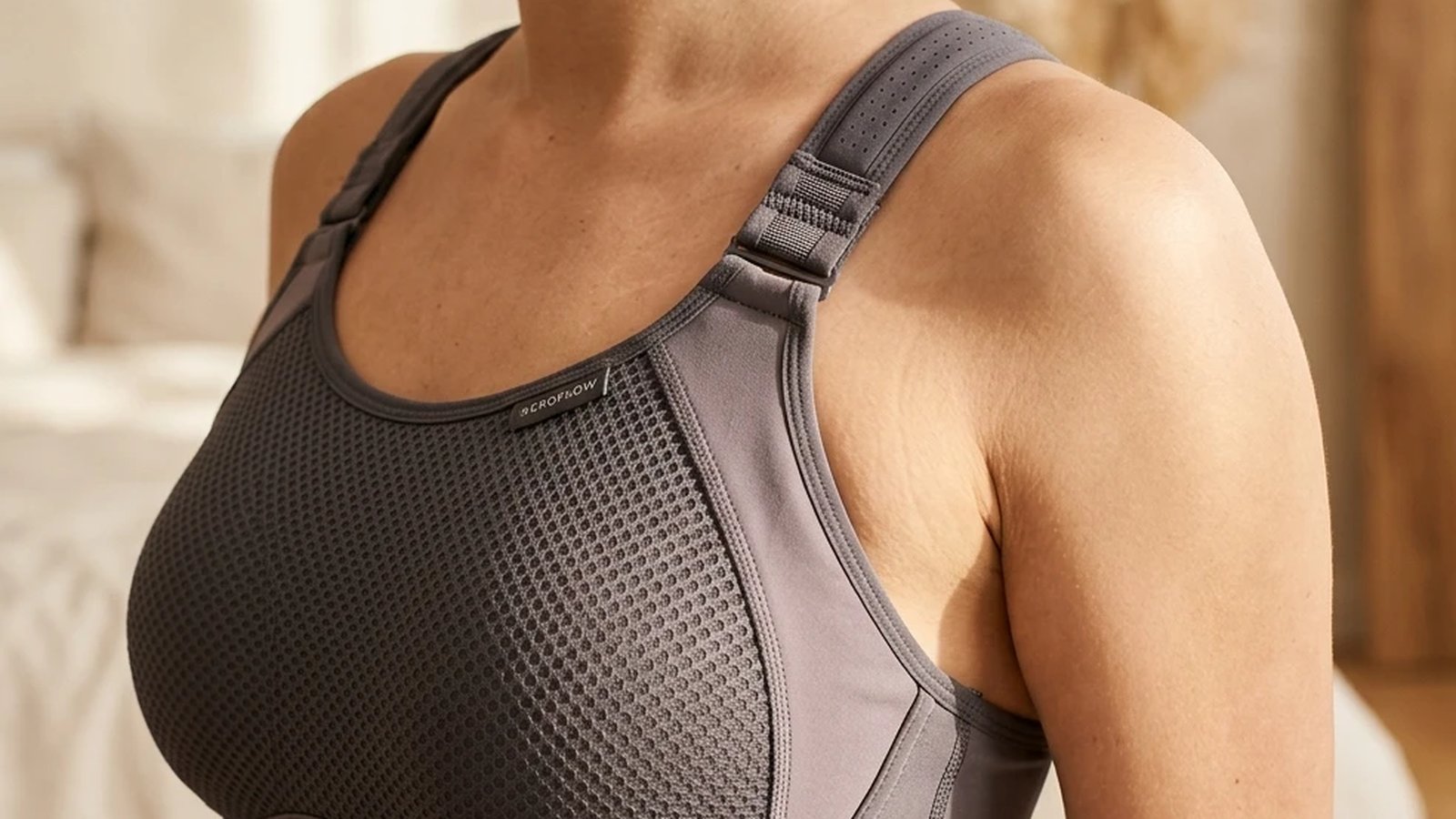
The Sports Bra: 50 Years of Engineering
From the 1977 Jogbra to today’s biomechanically-validated high-impact systems - the technology history and what current state-of-art d…
Looking for something specific? Browse every article in the library →